
Discover fascinating hamster facts about these tiny pets, including their behaviour, origins, diet, and surprising traits that make hamsters unique.
Hamster Facts: Discover the Charming World of These Tiny Explorers
Hamsters may be small, but learning hamster facts reveals that these adorable rodents have surprisingly complex lives. Known for their curiosity, cheek pouches, and playful personalities, hamsters have become one of the most popular small pets in the world.
Originally discovered in the wild deserts and grasslands of the Middle East and Asia, hamsters have adapted remarkably well to life with humans. In this guide, you’ll explore fascinating hamster facts about their origins, behaviours, and unique abilities that make them such entertaining companions.
Whether you’re a hamster owner or simply curious about these tiny animals, these facts will help you understand why hamsters are so beloved.
20 Interesting Discoveries About These Tiny Rodents
Hamsters belong to the rodent family and share characteristics with animals like mice, rats, and guinea pigs. These hamster facts highlight the unusual behaviours and biological traits that make them unique.
1. Hamsters Are Natural Burrowers
One of the most interesting hamster facts is that wild hamsters build extensive underground burrows.
These tunnels can include multiple chambers used for sleeping, storing food, and raising young.
2. Hamsters Store Food in Their Cheeks
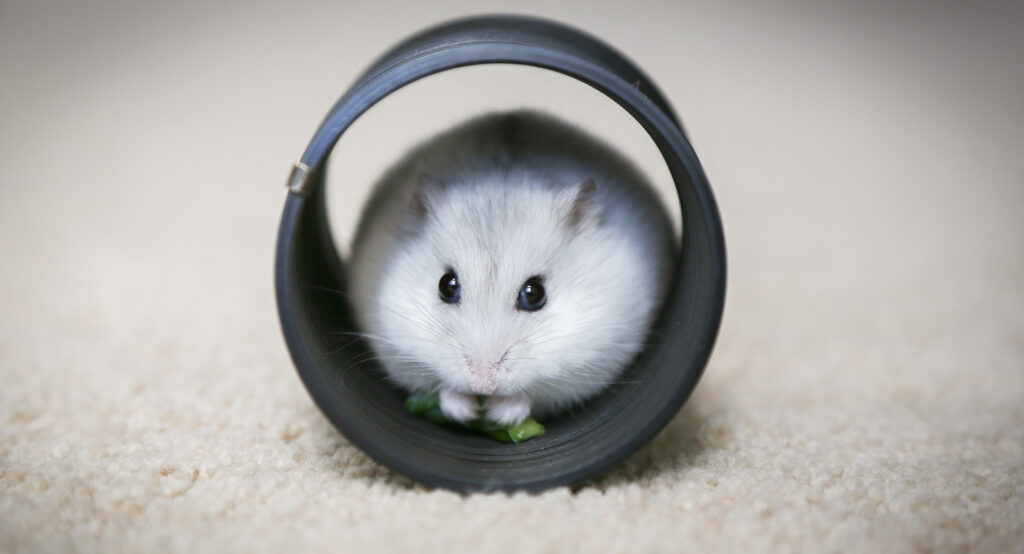
Hamsters are famous for their expandable cheek pouches. These special pouches allow them to carry food back to their burrows.
In fact, a hamster’s cheeks can stretch so much that its head can appear twice its normal size.
3. Hamsters Were First Discovered in Syria
Another surprising hamster facts discovery is that many domestic hamsters trace their origins to Syria.
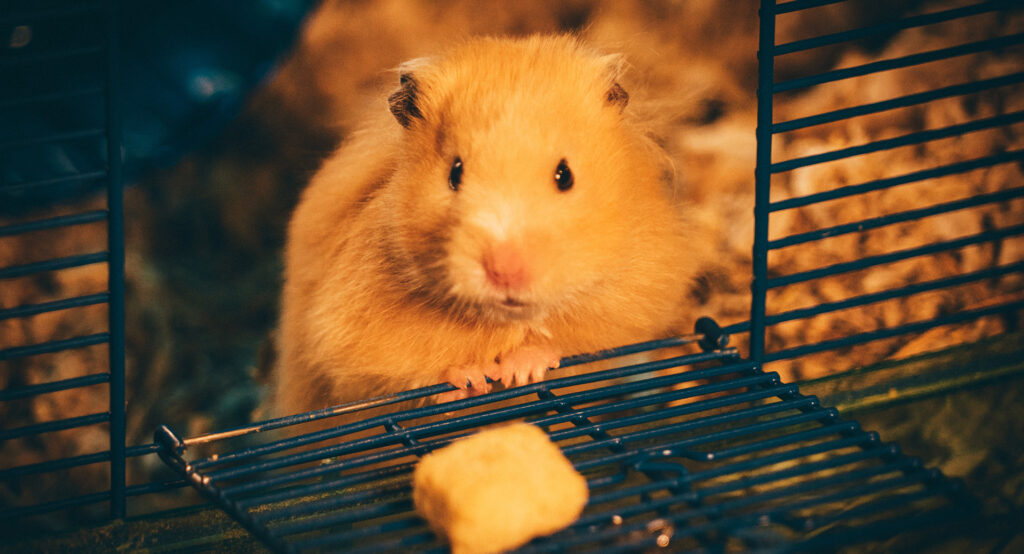
The Syrian hamster, also known as the golden hamster, is the most common species kept as pets today.
4. Hamsters Are Nocturnal Animals
Hamsters are naturally nocturnal, meaning they are most active during the night.
In the wild, this behaviour helps them avoid predators and extreme daytime temperatures.
5. There Are Over 20 Species of Hamsters
Many people assume there is only one type of hamster, but scientists recognise more than twenty species.
Some popular pet species include:
• Syrian hamsters
• dwarf hamsters
• Roborovski hamsters
• Chinese hamsters
6. Hamsters Have Poor Eyesight
Despite their curious nature, hamsters do not rely heavily on vision.
These hamster facts reveal that hamsters depend mainly on their sense of smell and hearing to explore their environment.
7. Hamsters Have an Incredible Sense of Smell
Hamsters use scent glands to mark territory and communicate with other hamsters.
This strong sense of smell helps them identify food and recognise familiar environments.
8. Hamsters Love to Run
Hamsters are energetic animals that can run several miles in a single night.
Pet hamsters often enjoy running on exercise wheels to release their natural energy.
9. Hamsters Keep Food Hidden
One of the most practical hamster facts is that hamsters instinctively hoard food.
Even pet hamsters will create hidden food stores in bedding or cage corners.
10. Hamsters Can Fit Through Tiny Spaces
Hamsters have flexible bodies that allow them to squeeze through surprisingly small openings.
This is why secure cages are essential for pet hamsters.
11. Hamsters Are Solitary Animals
Most hamster species prefer living alone.
Syrian hamsters in particular can become aggressive if forced to share space with other hamsters.

12. Hamsters Communicate Using Sounds
Hamsters communicate through a variety of sounds including squeaks, chirps, and hisses.
These sounds help express emotions such as excitement, fear, or annoyance.
13. Hamsters Are Excellent Climbers
Although they are ground-dwelling animals, hamsters can climb surprisingly well.
Their sharp claws help them grip surfaces while exploring.
14. Hamsters Have Short Lifespans
One of the sadder hamster facts is that these small animals typically live only two to three years.
Despite their short lives, they often become beloved companions.
15. Baby Hamsters Are Called Pups
Newborn hamsters are extremely small and blind at birth.
They rely entirely on their mother for warmth and food during their early days.
16. Hamsters Have Ever-Growing Teeth
Like many rodents, hamster teeth grow continuously throughout their lives.
Chewing on safe materials helps keep their teeth from becoming too long.
17. Hamsters Are Surprisingly Strong
Despite their tiny size, hamsters can carry objects heavier than their own body weight.
This ability helps them transport food and nesting materials.

18. Hamsters Groom Themselves Often
Hamsters spend a significant amount of time grooming their fur.
This behaviour keeps them clean and helps regulate body temperature.
19. Hamsters Have Unique Personalities
Each hamster has its own personality. Some are playful and curious, while others may be shy or cautious.
Understanding your hamster’s behaviour helps create a better environment for them.
20. Hamsters Have Become Internet Stars
In recent years, hamsters have gained popularity online through viral videos and social media posts.
Their tiny paws, curious behaviour, and adorable expressions make them favourites among animal lovers.
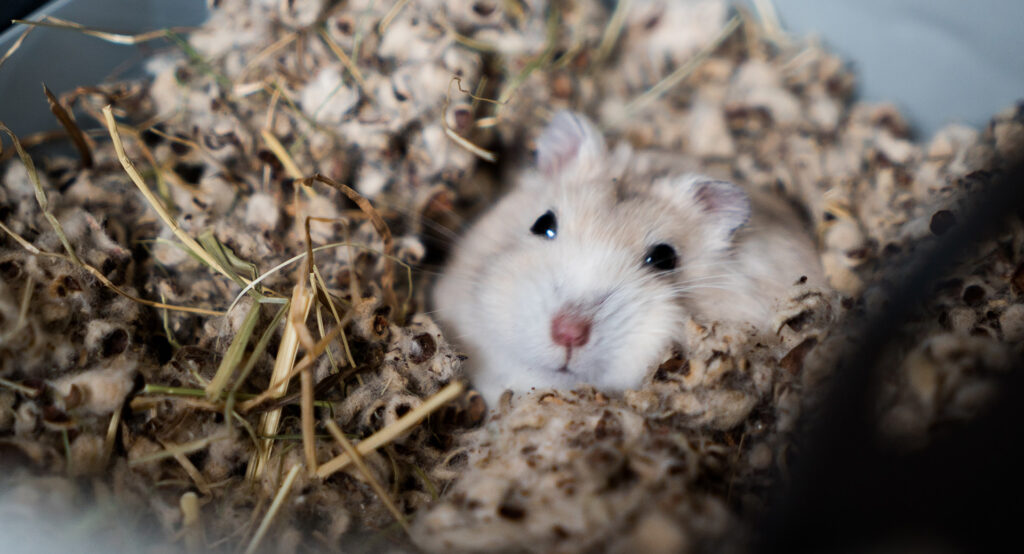
Hamsters in the Wild
Wild hamsters live in dry grasslands and deserts across parts of Europe and Asia. These environments require animals to be resourceful and cautious.
Because food can be scarce, wild hamsters gather and store food for long periods. Their underground burrows protect them from predators and extreme weather conditions.
According to Britannica, hamsters are well adapted to digging and living in underground tunnels where they store seeds and grains for survival.
Related Animal Facts You Might Enjoy
Hamsters may be small, but their survival strategies are impressive. Similar behaviours can be seen in fox food storage behaviour, where animals prepare for scarce conditions.
Even larger animals rely on planning and environmental awareness, which is explored in elephant memory and navigation, showing how intelligence supports survival.
Frequently Asked Questions
What are hamster facts?
Hamster facts describe the behaviour, biology, and lifestyle of hamsters, including their diet, habitat, and unique physical traits.
Why do hamsters store food in their cheeks?
Hamsters use cheek pouches to transport food safely to their burrows or nests where it can be stored for later.
Are hamsters good pets?
Most hamsters live between two and three years, although proper care can sometimes extend their lifespan.
Conclusion
These fascinating hamster facts show that even the smallest animals can have complex and interesting lives. From their clever food-storage habits to their energetic nighttime adventures, hamsters are full of surprises. Whether living in the wild or as beloved pets, these tiny rodents continue to charm animal lovers around the world.








This is an amazing page. The outstanding information reveals the owner’s accountability. I’m in awe and eagerly await more amazing postings like this one.